Anniversary of the midwife center
Ninia LaGrande
In the summer of 2016, I made more phone calls than I had in my entire life. Shortly beforehand, I held a positive pregnancy test in my hand at the student accommodation in St. Andrews in Scotland. We had wished for it, but it also came as a surprise. Mainly because I'd had two black beers in a pub beforehand and only then did I realize that I'd been waiting too long for my period. There are three big challenges in life as an expectant parent: finding a place in a daycare center, finding a pediatrician's office - and finding a midwife. So I typed my fingers to the bone listening to voicemail announcements and apologies until, as if in search of pass A38 and the holy grail, a cheerful voice told me that she still had capacity.
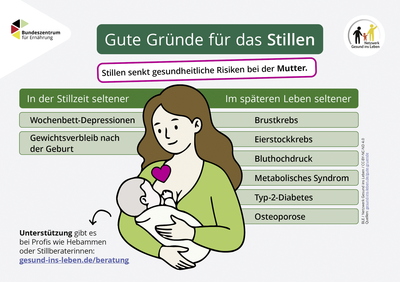
That year, the number of births increased, so I was in line with the trend - and this meant that midwives felt a significant increase in workload. An estimated 30 percent of women were without midwife support in 2013-2017. My telephone odyssey was probably the drop in the ocean that led to a round table being set up in the Hanover region in 2017 to improve the obstetric situation. Until 2019, when the Midwife Center Hannover was able to start operating. In the meantime, I had given birth, visited my child in intensive care for two weeks, brought him home and learned how to handle him from my own midwife, accepted that a caesarean section scar is an injury that needs to be spared and tried out as many breastfeeding positions as have been invented in the last two thousand years.
The history of midwifery goes back to at least the 3rd century BC. Hardly any other profession has such a history and importance at the same time. And yet they have always struggled. While some were burned as witches in the Middle Ages, studied surgeons later believed that they could better attend births (and possibly earn more gold from them). Which is why they began to organize themselves in the seventeenth century. Louise Bourgeois was a midwife at the French royal court and published her book "Observations" in 1609. It was the first book written by a woman about obstetrics and women's health - and the beginning of a fight for more recognition in medicine. Bourgeois was followed by more and more midwives who published and organized themselves. Until, after a long history of ups and downs, marked by appropriation and discrimination, the profession was academized in 2019. You all know that. And yet the discussion with politicians continues. Midwives were to be removed from hospitals' care budgets from 2025. It was only thanks to a huge wave of criticism and a petition that Health Minister Lauterbach decided that midwives should remain in the care budget. Sometimes you want to shake everyone involved and ask them how the hell they imagine all this. Whether those who decide this in politics have ever been to a birth (or to pre- and postnatal care, the short staggered appointments, the worries and hardships, the care and ALL THE OTHER THINGS), WHETHER THEY HAVE EVER BEEN THERE. Or whether the budget cuts were probably easier to decide at the desk.
It was only after I became a mother myself that I became more aware of the midwives' situation. It's sad, because we as a society are all concerned about the care of pregnant women and parents - even if we as individuals don't have children or played the game a long time ago. But it is what it is and women giving birth, children and their safety have no lobby. And so almost half of the midwives working in the delivery room care for three women at the same time - even four or more women are not uncommon. Two thirds of midwives regularly have to cover for other midwives, they are unable to take breaks and have to work overtime. The existence of freelance midwives is repeatedly threatened. The flat rates are independent of time and effort - and the health insurance companies have not received the news about the omnipresent crises, otherwise there is no other explanation for the missed increases. The bureaucratic effort is enormous, the liability insurance is absurdly high - anyone who starts to look into it has to read everything three times because it's hard to believe the figures. If you actually get into it, you can only keep it up if you do it with passion and conviction.
Who am I telling?
Sounds really trustworthy if you look at these figures beforehand as a pregnant woman. Hopefully you don't do that exactly. While people around me are discussing how you can get more money and free time for less work and that you also need time for your family and your own life, midwives in the clinic are running on fumes and presumably smiling away when the next woman with contractions presses the button.
So it's all the better that there has been a central contact point for everyone for the past five years. Where you can find help, contacts and networking. This also requires political will. And political will always means money. It also requires working space, equipment, acquisition and publicity. All of this has existed for half a decade now and long may it continue to exist. Never again do I want to have to exchange midwife telephone numbers with friends as if they were secret CIA information. Midwives save lives. In my own experience, I cannot say otherwise. At this point, a principle that I grew up with applies: Form gangs. If you don't get much political attention, you have to get together and speak up. That is exhausting. But it is effective.
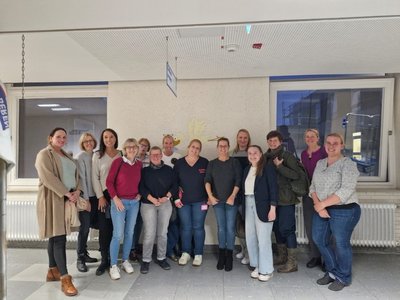
The midwife center in Hanover is now the largest in Lower Saxony. There are a total of sixteen midwifery centers in our state. Sixteen networks that are active throughout Lower Saxony and will never let the work of midwives become quiet again. Thank you.
The Midwife Center is an asset for the Hanover region - and for everyone in this region who has children, knows children or has ever heard the word children. It creates unimagined relief for midwives and (expectant) parents. It creates commitment, relief and opportunities for exchange. It creates space - in every respect.
The last time my midwife left our door, I thought about how we were going to manage on our own. Who is going to tell me which hand, which arm, which nipple...? Help. It may come as no surprise to you that we still managed it. But without this professional support, not only would I have been totally lost, but without midwives we would no longer be able to function. We would no longer be here.
So thank you very much for your work and congratulations on your fifth birthday - may many more follow and may your work have a big impact!